A Guide to Energy Efficiency and Savings
| THE SHORT ANSWER
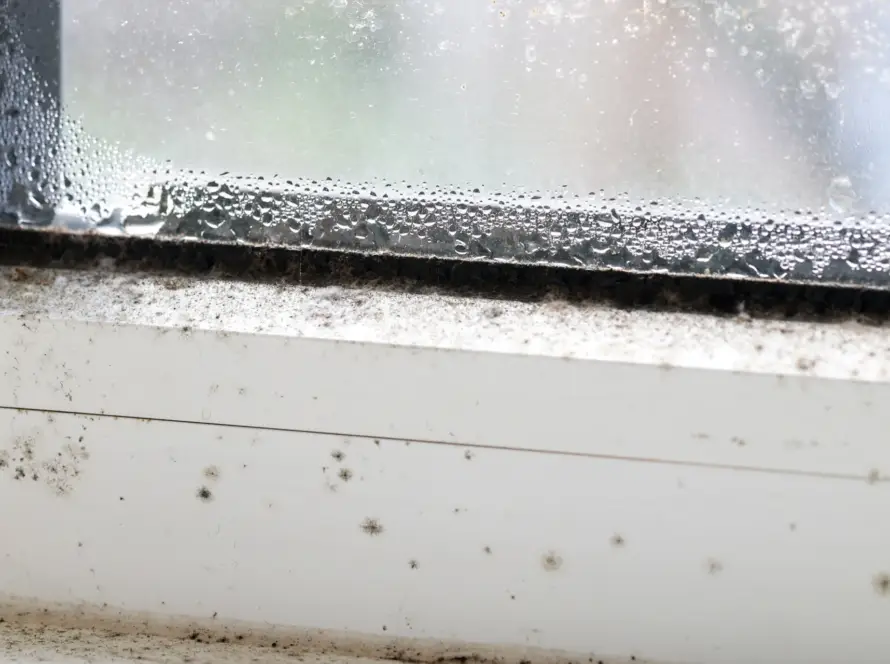
Replace your windows when you see fog trapped between the panes, feel drafts along the sash, find condensation pooling on the sill, or have windows that stick or won’t lock. These point to a failed seal or frame. Upgrading to energy-efficient, ENERGY STAR®-rated windows restores comfort, reduces heat loss, and helps lower your energy bills. |
Windows do far more than let in light. They’re a working part of your home’s thermal envelope, and when they start to fail, you feel it — colder rooms, higher energy bills, and drafts that no amount of thermostat-nudging seems to fix. The tricky part is that failing windows often still look fine. This guide walks through the real signs it’s time to replace them, what makes a modern window energy efficient, and how to choose the right one for British Columbia’s climate.
The 60-Second Window Self-Audit
Grab a coffee and walk your home. Check off anything that sounds like your windows, the more boxes you tick, the more likely your windows are working against you.
MOISTURE & GLASS
- Fog or haze trapped between the panes that you can’t wipe away
- Condensation pooling on the sill in the morning
- Dark spotting or staining showing up on the frame or sill
- Ice forming on the inside of the window in January
DRAFTS & COLD
- A draft you can feel with the back of your hand along the sash
- A room or two you avoid in winter because it never feels warm
OPERATION
- Windows that no longer slide or crank smoothly
- A window that won’t lock without lifting, shoving, or wrestling it
DAMAGE
- Soft or rotting wood anywhere on the sill or frame
Checked one or two boxes? Keep an eye on those windows, they’re showing early warning signs. Three or more? Your windows are likely costing you comfort and energy every month, and it’s worth booking a professional assessment.
What Failing Windows Actually Cost You
A window fails in two main ways, and both drain energy. When the sealed glass unit loses its seal, the insulating gas between the panes escapes and moisture creeps in. That’s the fog you can’t wipe off. When the frame or weatherstripping wears out, you get air leakage, heated air escaping and cold air infiltrating around the sash.
The result is more heat transfer through the glass and more drafts through the gaps. Your heating system runs longer to hold the same temperature, certain rooms never feel comfortable, and condensation becomes a daily nuisance. Modern energy-efficient windows are built specifically to slow that heat loss and seal out air leaks — which is where the comfort and efficiency gains come from.
What Makes a Window Energy Efficient
Not all replacement windows perform the same. A genuinely energy-efficient window is a system composed of glass, gas, spacer, and frame all working together.
Glass and glazing
- Double- or triple-pane sealed glass units trap insulating air chambers between layers of glass. Triple-pane construction adds a third layer for colder climates and better noise reduction.
- Low-E (low-emissivity) coatings are microscopically thin layers that reflect heat back where it belongs, keeping warmth inside in winter and managing solar heat gain in summer.
- Inert gas fills such as argon or krypton sit between the panes and insulate far better than plain air.
- Warm-edge spacers hold the panes apart while reducing heat loss and condensation around the glass edge.
Frames
Frame material matters as much as glass. Vinyl (uPVC) frames with multi-chambered profiles and fusion-welded corners resist heat transfer and won’t rot or corrode. Fibreglass frames are strong and stable, while aluminum frames need a thermal break to avoid conducting cold straight through.
Performance ratings to look for
- U-Factor — how well the window insulates. Lower is better.
- Solar Heat Gain Coefficient (SHGC) — how much of the sun’s heat the window lets in.
- Visible Transmittance — how much natural light comes through.
- ENERGY STAR® certification and the NFRC label — independent verification that the window meets performance standards for its Canadian climate zone.
Double-Pane vs Triple-Pane: Choosing for BC’s Climate
Vancouver Island spans more than one climate zone, and the right window depends on where you live. Milder central and south Island areas fall into a warmer zone than the colder north Island communities around Courtenay and Campbell River, where building code sets a stricter U-value minimum for windows.
For rebate-eligible performance, look for ENERGY STAR® Tier 2 windows with a U-Factor of roughly 1.22 W/m²·K or lower. Triple-pane windows reach these numbers more easily and add meaningful noise reduction, which makes them a strong choice for colder zones and busier streets. Double-pane windows with a good Low-E coating and argon fill remain a solid, cost-effective option in milder areas.
One important note. Swapping only the sealed glass unit and leaving the old frame in place generally will not qualify for rebate programs. Rebates are tied to full window replacement that meets the performance standard.
Full-Frame vs Retrofit Replacement
How a window is installed is as important as the window itself. A retrofit (or insert) replacement fits a new window into the existing frame, which is faster and less invasive, but only sound when the original frame is in good shape. A full-frame replacement removes everything down to the rough opening, allowing us to inspect, re-insulate, and air-seal around the window properly. If you have rot, water damage, or drafts originating around the frame rather than the glass, full-frame is usually the right call.
Rebates and Incentives
Upgrading to qualifying ENERGY STAR®-rated windows may make your project eligible for rebates through BC Hydro. Eligibility depends on the window’s performance rating, professional installation by a licensed contractor, and your home and utility details. Because programs and amounts change, the most reliable way to know what you qualify for is to have a registered energy advisor review your project before you buy. That’s part of every Shoreline assessment.
When’s the Best Time to Replace Your Windows?
The honest answer is: before you’re forced to. Waiting until mid-winter means living with the drafts and the bills through the coldest months, and many rebates require pre-approval before installation begins, so a last-minute replacement can mean missing out. Spring through fall gives the most scheduling flexibility, but a professional crew can install year-round. If your self-audit turned up three or more issues, the best time to start the conversation is now.
The Shoreline Approach
Most window contractors install what you order. We start a step earlier. As building-performance specialists, we look at how your windows work with the rest of your home’s envelope, including air sealing, insulation, and humidity, so your new windows perform the way they’re rated to. Our registered energy advisors walk you through your options, confirm rebate eligibility, and make sure the installation is airtight and properly finished, backed by warranty and post-project support.
Frequently Asked Questions
How do I know if my windows need replacing?
Watch for fog trapped between the panes, drafts you can feel along the sash, condensation pooling on the sill, and windows that stick or won’t lock. Any of these point to a failed seal or worn frame. Our 60-second self-audit above is the quickest way to check.
Are double-pane or triple-pane windows better?
Both can be energy efficient. Triple-pane insulates better and cuts more noise, making it ideal for colder Island zones and busy streets. Double-pane with a Low-E coating and argon fill is a solid, cost-effective choice in milder areas. The right pick depends on your climate zone and goals.
If I replace my windows, will I lower my energy bills?
Energy-efficient windows reduce heat loss and air leakage, so your heating system works less to hold a comfortable temperature. The comfort improvement is immediate; the energy impact depends on your existing windows, your home, and how you heat it.
Can I get a rebate for replacing my windows in BC?
Qualifying ENERGY STAR®-rated windows may be eligible for rebates through BC Hydro, subject to performance ratings and installation requirements. A registered energy advisor can confirm what your specific project qualifies for before you buy.
What’s the difference between full-frame and retrofit replacement?
Retrofit fits a new window into the existing frame. It’s quicker, and fine when the frame is sound. Full-frame removes everything to the rough opening so the area can be re-insulated and air-sealed. Rot or drafts around the frame usually call for full-frame.
What is a U-Factor?
U-Factor measures how well a window insulates. The lower the number, the less heat escapes. It’s one of the key ratings on the ENERGY STAR® and NFRC labels, and a good shorthand for a window’s efficiency.
| Not sure what your self-audit turned up?
Book a free window assessment. We’ll take a proper look, confirm any rebates you qualify for, and give you a straight answer with no obligation. |
Published by Shoreline Building Performance. Reviewed for technical accuracy by Ron McLaughlin, Red Seal Carpenter and Natural Resources Canada Registered Energy Advisor, serving Central Island and Nanaimo.